




STT
Nova 3
Advanced automatic speech recognition (ASR) model, designed to convert spoken audio into text with very high accuracy and low latency for real-time applications.
- API · per min
- $0.003
UNMUTE// is LIVE. An open standard for declaring voice agents. HERE
Agent builder
Most voice platforms were designed for people clicking through a dashboard. SLNG and Unmute were designed for the way voice agents get built now: by coding agents and AI workflows that describe, validate, deploy and improve them through code and APIs.
Built with the leading voice ecosystem
How it works
Where SLNG sits:
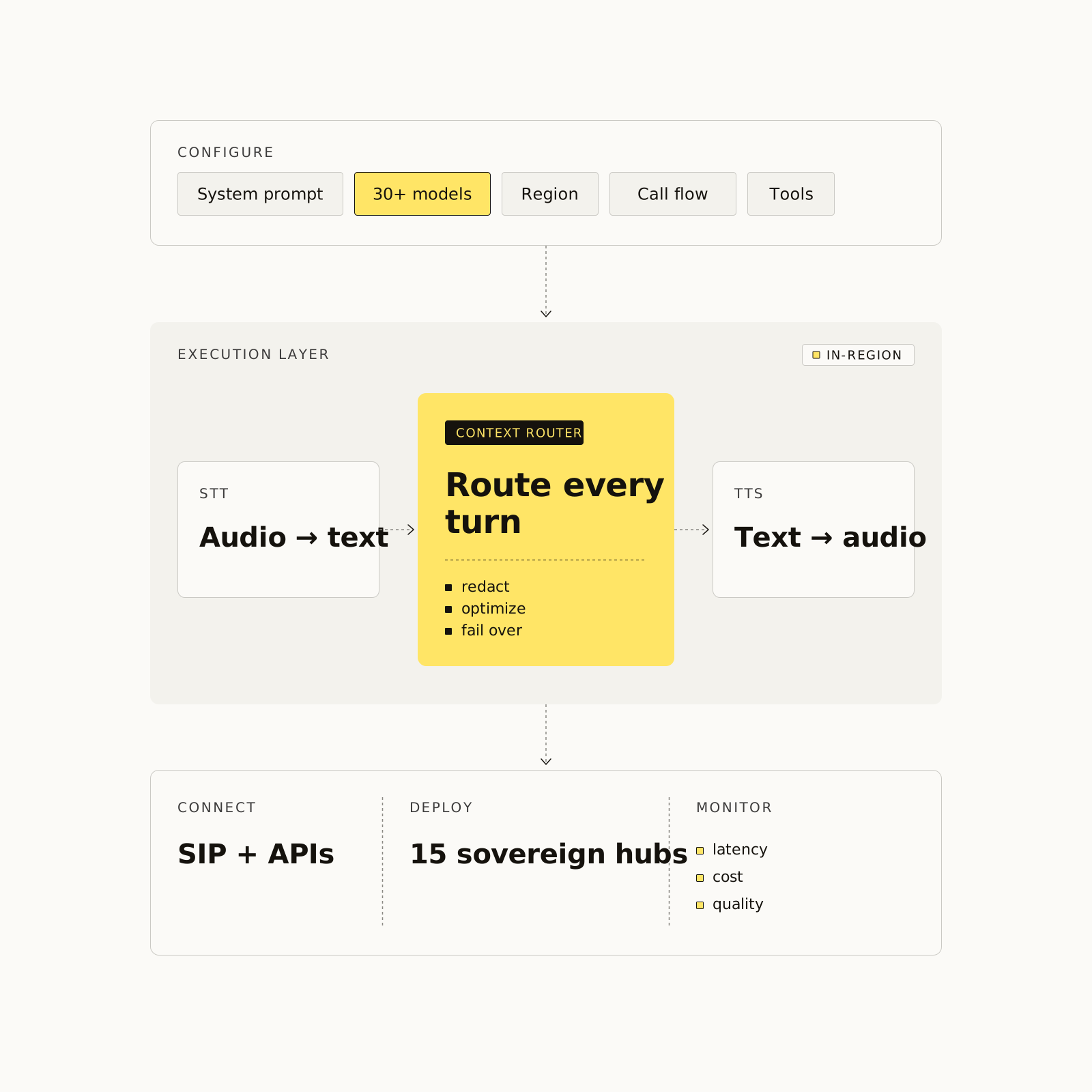
SLNG is the execution layer between your orchestrator and your models. It routes speech-to-text, text-to-speech and LLM calls for lower latency and cost, whether the voice agent runs on SLNG, Pipecat or LiveKit.
1. Describe.
Your AI agent writes an Unmute package: the voice agent's prompt, models, tools and channels in one declarative file.
2. Govern.
A saved manifest sets your company's rules: which models and providers, which languages and regions, which deployment targets and tools. The agent works within them.
3. Validate and compile.
UNMUTE validate checks the package against the manifest; unmute compile targets Pipecat, LiveKit or SLNG. Known violations fail before any output is written.
4. Deploy and operate.
On SLNG, the agent deploys, versions, restores, dispatches calls and reads results through the Voice Agents API.
Continuous optimization
Every turn, every call, no pipeline code.
PII redaction
Names, numbers, and identifiers stripped before audio reaches your models or logs.
TTS optimization
Repeated TTS responses served from cache. Provider never gets called.
Context routing
Simple turns stay local. Complex turns hit your LLM. Fewer model calls per conversation.
Automatic failover
A provider degrades mid-call, the next turn goes elsewhere.
Transcripts
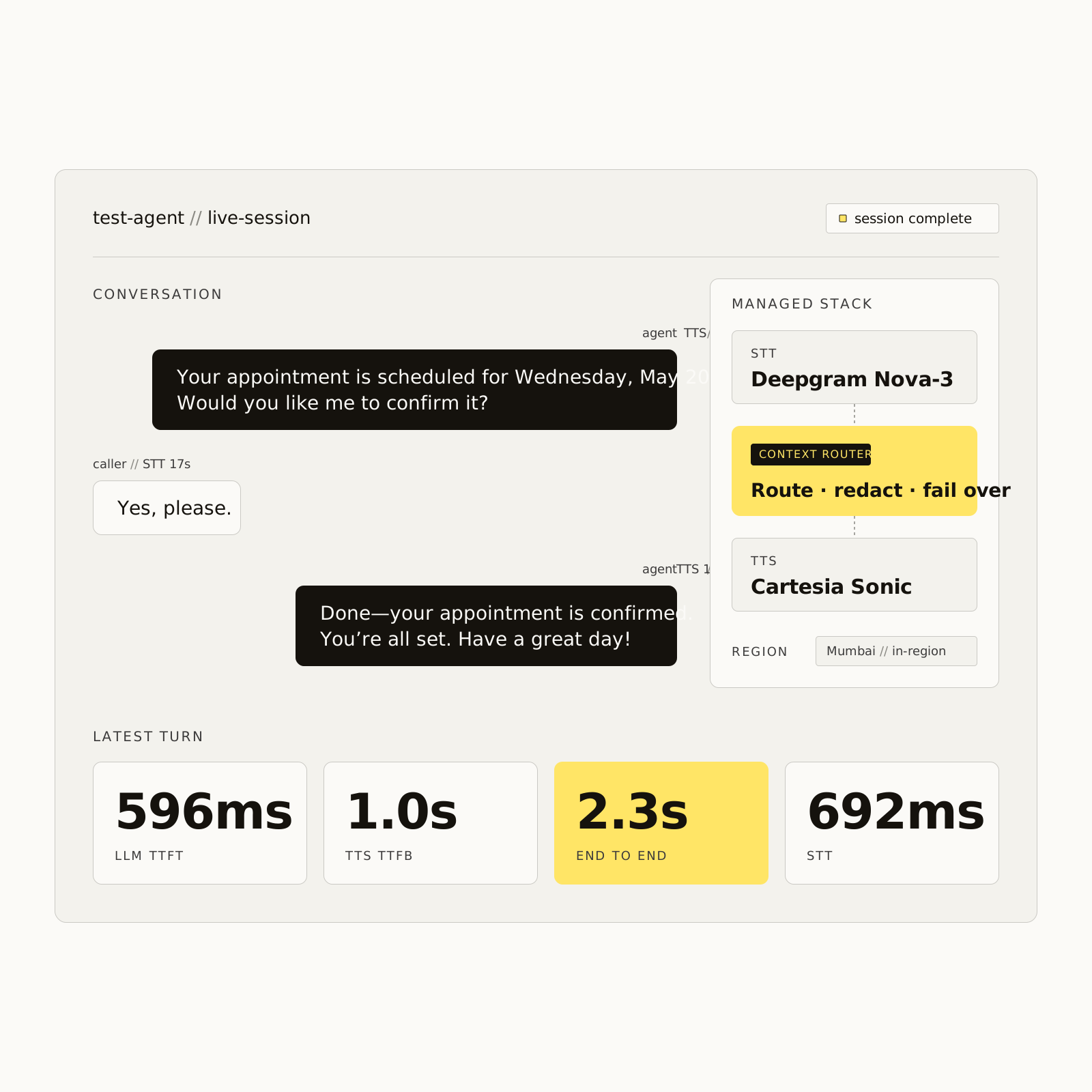
Region, provider, model, cost, latency. Logged per step, per call.
Analytics
Cost and latency tracked against baseline. Dashboard shows the delta.
Full-stack agent execution
30+ STT and TTS models. Add models without redeploying.
Advanced automatic speech recognition (ASR) model, designed to convert spoken audio into text with very high accuracy and low latency for real-time applications.
Advanced automatic speech recognition (ASR) model, designed to convert spoken audio into text with very high accuracy and low latency for real-time applications.
Advanced automatic speech recognition (ASR) model, designed to convert spoken audio into text with very high accuracy and low latency for real-time applications.
Advanced automatic speech recognition (ASR) model, designed to convert spoken audio into text with very high accuracy and low latency for real-time applications.
Advanced automatic speech recognition (ASR) model, designed to convert spoken audio into text with very high accuracy and low latency for real-time applications.
Advanced automatic speech recognition (ASR) model, designed to convert spoken audio into text with very high accuracy and low latency for real-time applications.

Powerful speech recognition model: Recommended — SOTA ASR with flexible output modes: transcribe, translate, verbatim, transliterate, and codemix
Deepgram's TTS model designed to generate realistic, human-like speech in real time, especially for AI voice agents and applications.
Sarvam AI offers an Advanced TTS with 30+ voices and high-quality natural speech synthesis for Indian languages.

Ultra-fast, scalable, and reliable speech synthesis model built for real-time conversational AI. Designed for production environment.

Sonic 3 delivers high-quality, natural-sounding speech with fine-grained generation controls including speed, volume, and emotion
Sonic 3 delivers high-quality, natural-sounding speech with fine-grained generation controls including speed, volume, and emotion
Prices in USD. See every model and rate in the model catalog.
How it works
Three steps from config to production agent
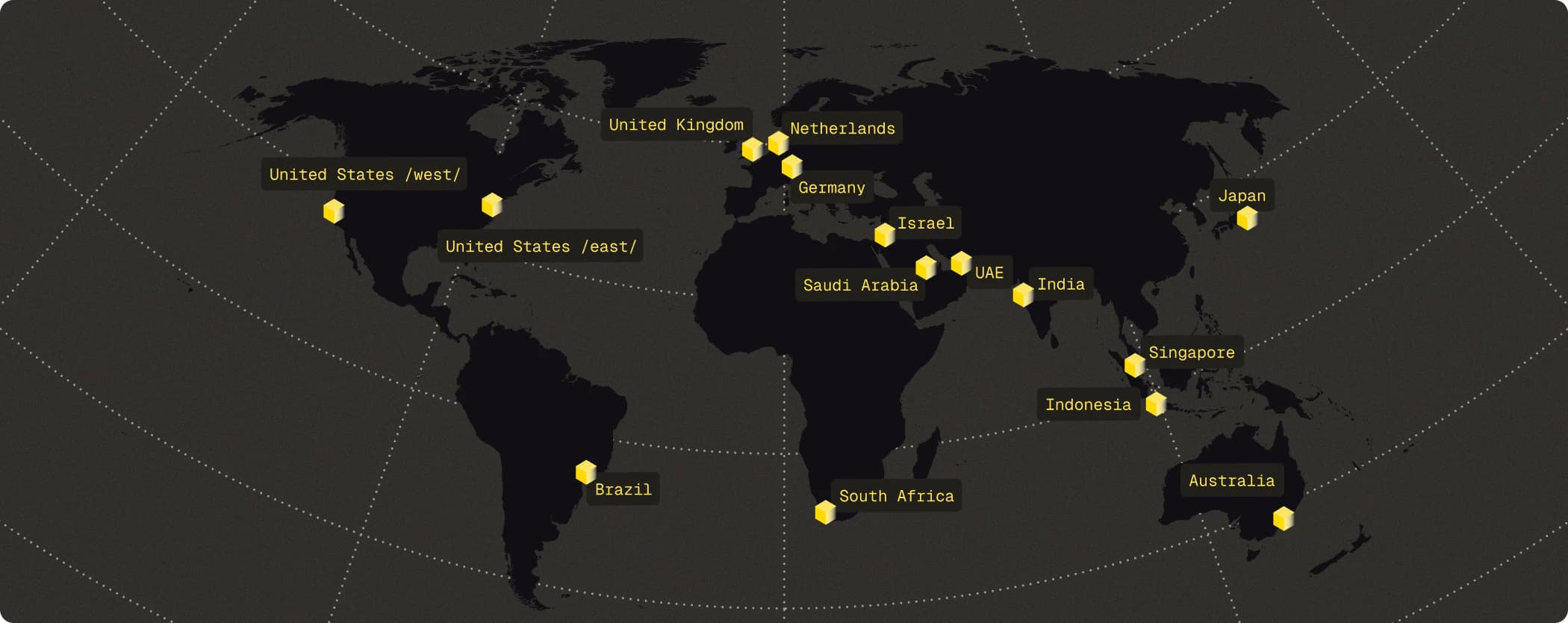
All data stays in your chosen region from call start to call end.
Configure
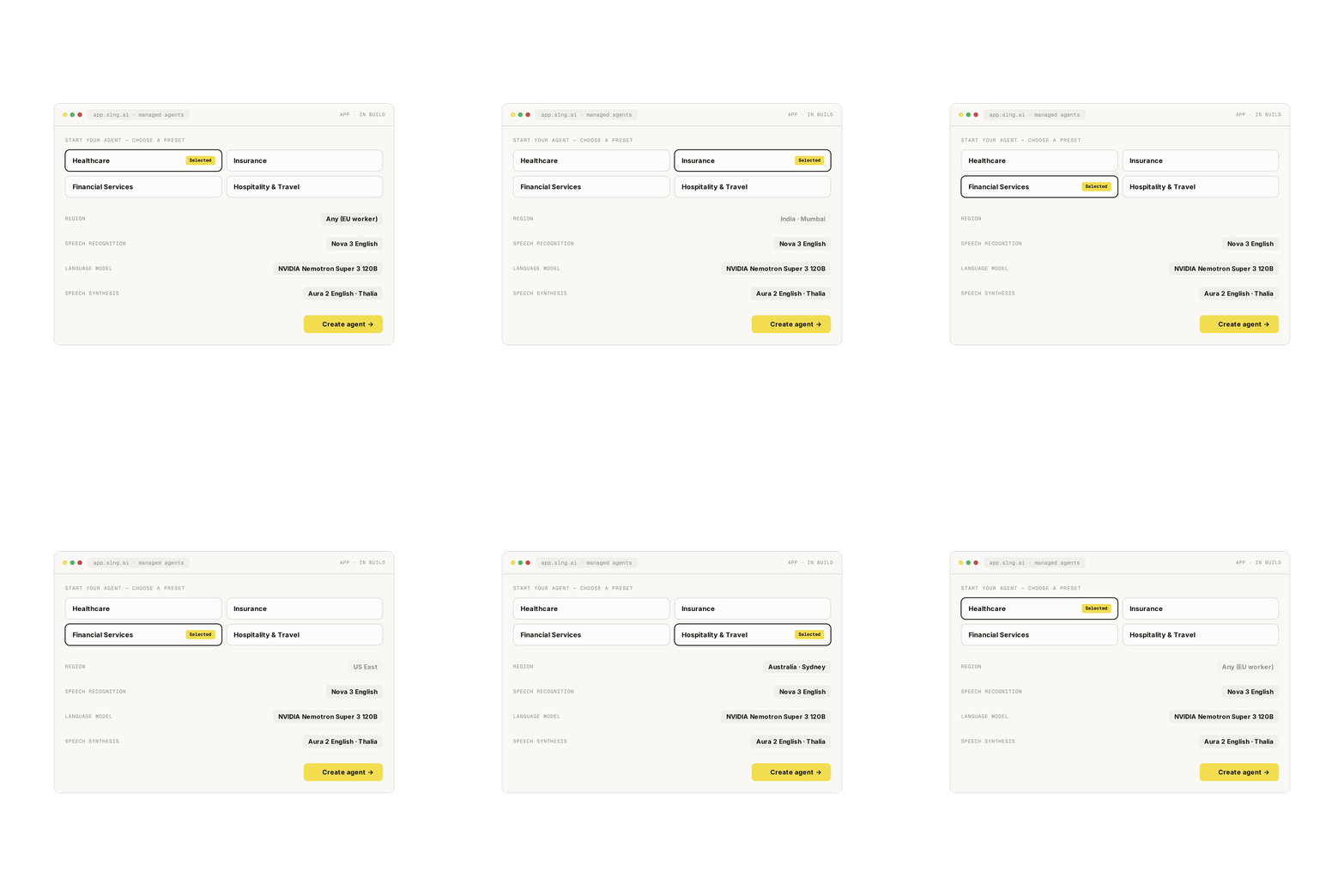
System prompt, model selection, call flow, tool integrations. All in the dashboard.
Connect
Plug in via SIP. Connect to your CRM, ticketing system, or knowledge base via API.
Ship and monitor
Real-time latency dashboards, call transcripts, and compliance audit logs.
Do I need an orchestrator?
No. Managed Agents replaces the pipeline entirely. You configure system prompts, models, call flows, and regions in the dashboard, the Execution layer handles routing, failover, and optimization underneath.
How do I connect SLNG Agent Builder to my systems?
Telephony comes in via SIP - Twilio, Telnyx, or your own trunk. Your CRM, ticketing system, or knowledge base connects through tool integrations via API. Configure, connect, ship. No pipeline code.
Does my voice AI data stay in-region?
Yes. Audio processed in a region stays in that region. Data residency is enforced at the routing layer, not promised in documentation. Every call is logged with region, provider, model, and timestamp. SLNG is ISO 27001 certified, HIPAA compliant, and GDPR compliant.
Is SLNG compliant with GDPR?
GDPR compliant. ISO 27001 certified. HIPAA compliant. SOC 2 Type II in audit. Details at trust.slng.ai.
How do I select a region?
One header: X-Region: ap-south-1. Add it to any API call. Same endpoint, same models, different physical location. No DNS changes, no separate deployments.
Which models are supported?
30+ models across STT, TTS, and LLM. Providers include Deepgram Nova 3, ElevenLabs, Cartesia Sonic, Soniox, Rime Arcana, Sarvam, and Whisper. Models are available as SLNG Hosted, SLNG Proxied, or BYOK. Full catalog at docs.slng.ai/models.
Define. Govern. Execute.
© 2026 SLNG


